
Written by Billy Clarke MCIOB AssocRICS – independent building surveyor with 23 years’ experience in residential construction, at B.C Surveying Hertfordshire Ltd, an RICS-regulated firm.
Victorian and Edwardian houses make up a large part of St Albans’ housing – from modest terraces to substantial villas. They are popular for good reason: generous ceiling heights, period features and solid construction. But they are also more than a century old, built with materials and methods that behave very differently from modern construction, and most have been altered several times since they were built.
This guide covers the defects I most often come across when surveying period homes in and around St Albans, and what they can mean for a buyer. For most homes of this age I recommend a RICS Level 3 Building Survey – see my guide to choosing between Level 2 and Level 3.
Contents
- Why Period Homes Need a Careful Survey
- Roofs, Chimneys and Rainwater
- Walls, Brickwork and Mortar
- Damp – and Damp Misdiagnosis
- Floors, Timber and Ventilation
- Bays, Rear Additions and Movement
- Alterations: Extensions, Lofts and Removed Chimney Breasts
- Services and Drainage
- Conservation Areas and Listed Buildings
- Frequently Asked Questions
Why Period Homes Need a Careful Survey
Most Victorian and Edwardian houses have solid brick walls rather than cavity walls, lime-based mortars and plasters, suspended timber ground floors and roofs of natural slate or clay tile. These buildings were designed to manage moisture by allowing walls to breathe and dry out. Many of the problems I see come from later work that has interfered with that – hard cement repointing, impermeable coatings, blocked ventilation or raised ground levels.
Having worked in residential construction for 23 years, I find that understanding how the house was originally put together is usually the key to diagnosing what has gone wrong.
Roofs, Chimneys and Rainwater
- Slate and tile coverings – slipped or broken slates, corroded fixings (often called nail fatigue) and roofs that have been re-covered with heavier concrete tiles without strengthening the timbers
- Chimney stacks – eroded mortar, leaning stacks, cracked flaunching and failed lead flashings, which are a frequent source of damp in chimney breasts
- Valley and parapet gutters – common on terraces, and prone to blockage and leaks that can go unnoticed for years
- Rainwater goods – leaking cast iron or replacement plastic gutters and downpipes that saturate walls below
Many of these details can’t be seen properly from the ground. Where that’s the case, a drone roof and chimney inspection can be added to the survey.
Walls, Brickwork and Mortar
Solid brick walls are generally robust, but I look carefully at the condition of brickwork and pointing. Hard cement mortar used in later repairs can trap moisture in softer bricks, causing the faces to spall and break away. I also look at lintels and arches over openings, signs of wall-tie or bonding problems where later alterations have been made, and any cracking that might indicate movement.
Damp – and Damp Misdiagnosis
Damp is one of the most common concerns in older homes – and one of the most commonly misdiagnosed. Raised paths and flowerbeds, leaking gutters, condensation and defective pointing can all produce damp that looks like rising damp. Treating the wrong cause can be expensive and ineffective.
Part of my job is to identify the likely cause, so that the recommended remedy addresses it – often simple measures such as lowering external ground levels or repairing rainwater goods, rather than chemical treatments.
Floors, Timber and Ventilation
Suspended timber ground floors rely on air bricks to keep the void beneath ventilated. When air bricks are blocked by raised ground levels, extensions or paving, timbers can become damp, leading to wet rot and, in some cases, dry rot. Springy or uneven floors, musty smells and blocked air bricks are all things I look for.
Bays, Rear Additions and Movement
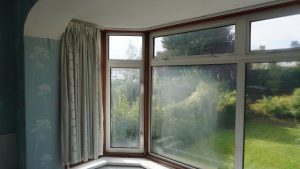
Bay windows and rear additions (the narrower back sections common on terraced houses) were often built on shallower foundations than the main house. Differential movement between them and the main walls can cause cracking. Ground conditions matter too: parts of Hertfordshire are underlain by chalk, with clay-rich deposits in places, and clay soils can shrink and swell – particularly near mature trees. I consider all of these when assessing whether cracking is historic or likely to be ongoing.
Alterations: Extensions, Lofts and Removed Chimney Breasts
Most period homes in St Albans have been altered – rear and side extensions, loft conversions, knocked-through reception rooms and removed chimney breasts. I look for signs that alterations were not adequately supported or detailed, such as sagging above openings, cracking at junctions with extensions, or chimney breasts removed below while the stack remains above.
Your conveyancer should check that the right approvals exist for these works, and I will flag the alterations they should ask about. If you are planning your own extension or loft conversion, see my party wall guide for St Albans.
Services and Drainage
The survey includes a visual inspection of the services, but older electrics, heating and plumbing often need specialist testing – I’ll recommend this where appropriate. Original underground drains are frequently clay pipes that can crack, displace or suffer root ingress. A CCTV drainage survey is a worthwhile addition for many period homes, particularly where there are mature trees nearby.
Conservation Areas and Listed Buildings
Parts of St Albans are within conservation areas and the city has many listed buildings. Alterations to these properties may need planning permission or listed building consent, and inappropriate repairs can cause problems. A survey cannot confirm what consents exist, but it will identify alterations your conveyancer should investigate. You can check a property’s status with St Albans City & District Council.
Frequently Asked Questions
Do all Victorian houses have damp problems?
No – but older homes are more vulnerable to damp, and it is often caused by issues such as raised ground levels or leaking gutters rather than a failed damp-proof course. Accurate diagnosis is what matters.
Should I worry about cracks in a period house?
Many cracks are historic or cosmetic, but some indicate ongoing movement. A Level 3 survey – or a specific defect survey if you already own the property – will help you understand which.
Will you give me an idea of repair costs?
Yes. My Level 3 reports include costs of repairs and additional repair advice.